


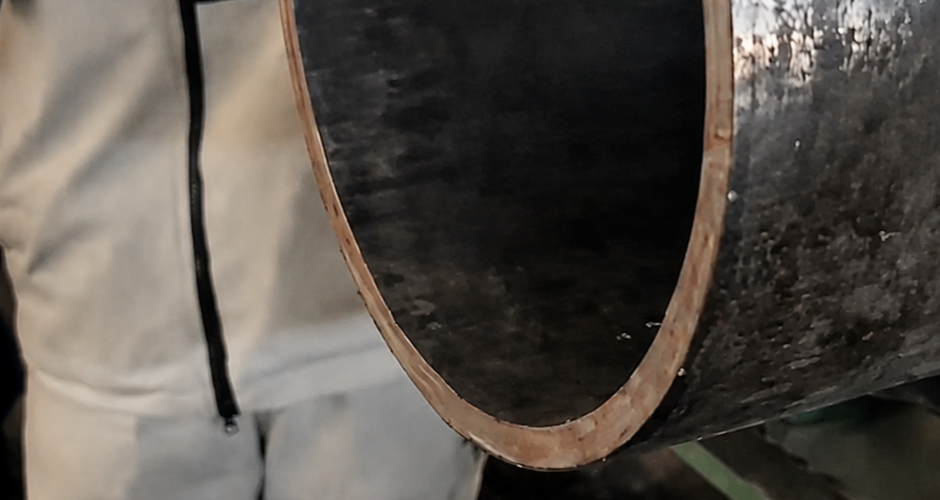
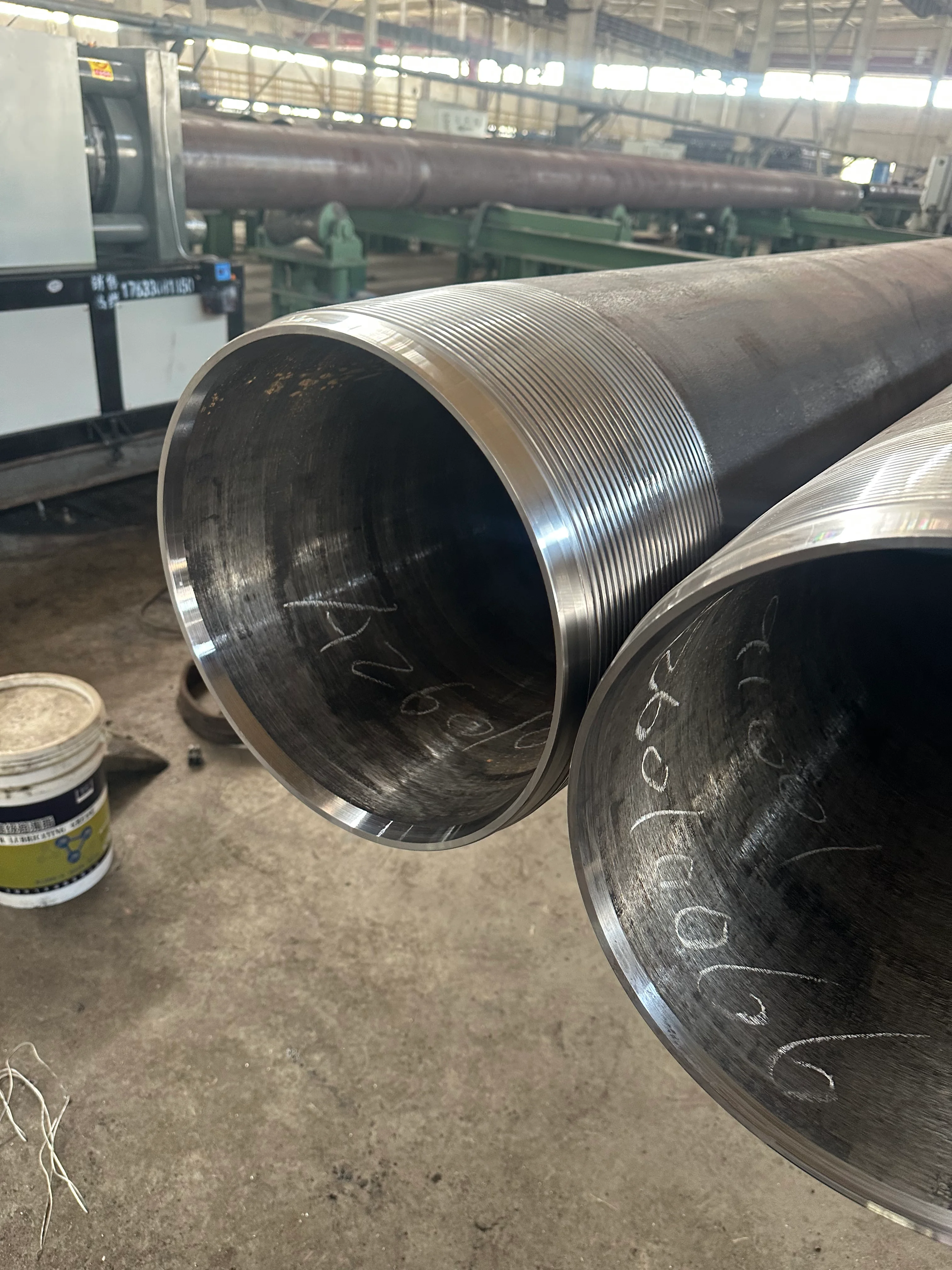
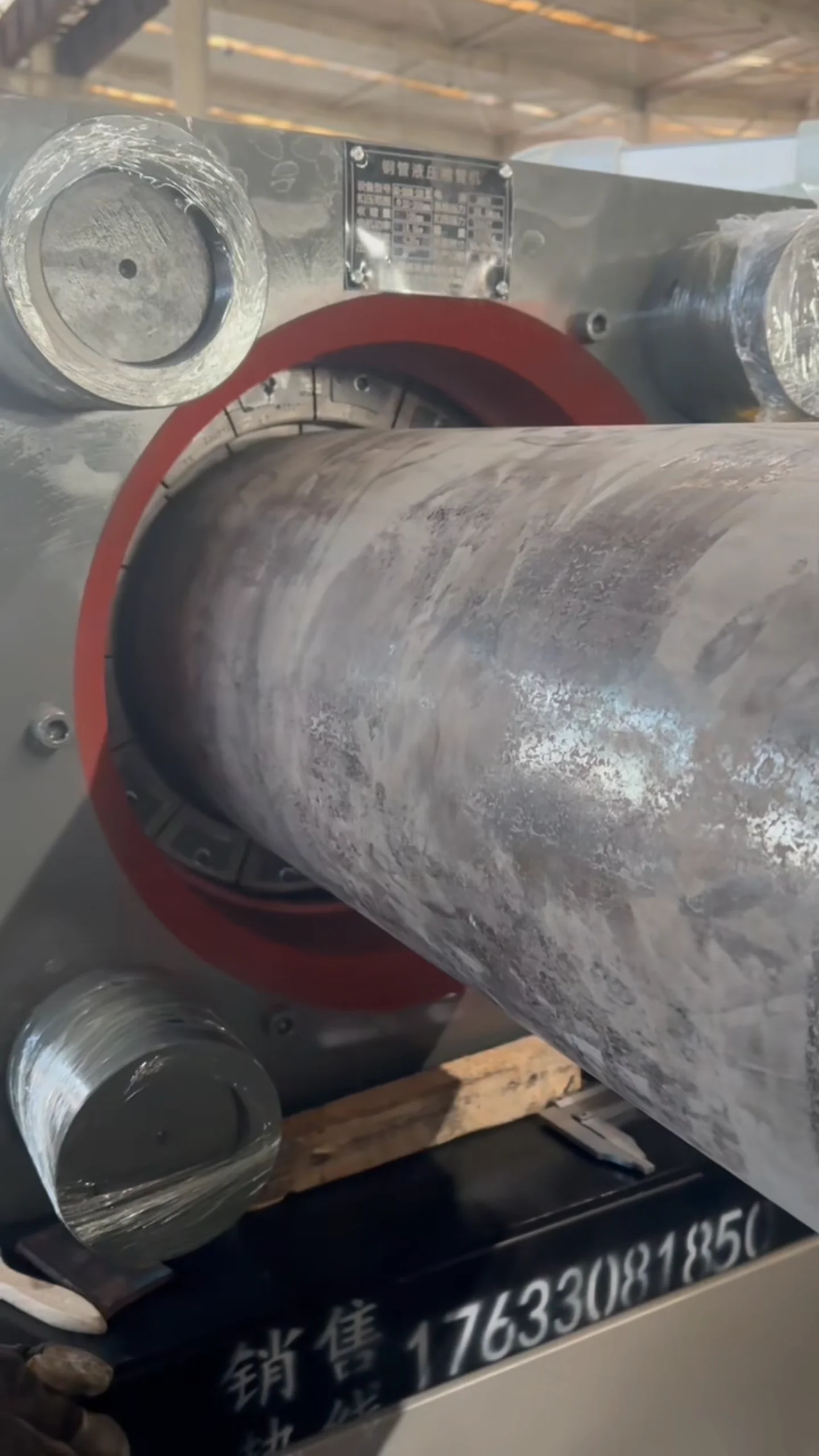
A JITIZO casing pipe swaging machine has completed factory trials and delivery. The project was configured for thick-wall casing-end reduction, pre-connection forming and repeat production, with the machine, tooling and control settings based on the customer’s workpiece conditions and acceptance requirements.
Matching the machine and tooling to the workpiece
Casing-end forming cannot be selected from outside diameter alone. Material grade, wall tolerance, initial end condition, target profile, formed length, downstream connection and acceptable surface condition affect load, die radii, forming stages and clamping. These inputs are reviewed before the machine structure and tooling are defined.
From sample validation to factory trials
- Confirm the drawing revision, pipe specification, material and forming area.
- Install and centre the dies, then set clamping, pressure or travel and safety limits.
- Form the agreed workpiece in controlled stages while checking flow, springback and surface condition.
- Measure critical diameters, formed length, concentricity and appearance, recording the tooling and settings.
For high-strength, thick-wall material, a real sample provides better evidence of springback, lubrication, marking and die matching than theoretical tonnage alone. Trial records also support later die changes, parameter recall and production setup.
Delivery acceptance
In addition to sample dimensions, the review covers emergency stops, guarding, hydraulics, repeat operation, control interlocks and die changes. Workpiece specifications, measurement methods and acceptance criteria follow the signed technical agreement.
Support for production start-up
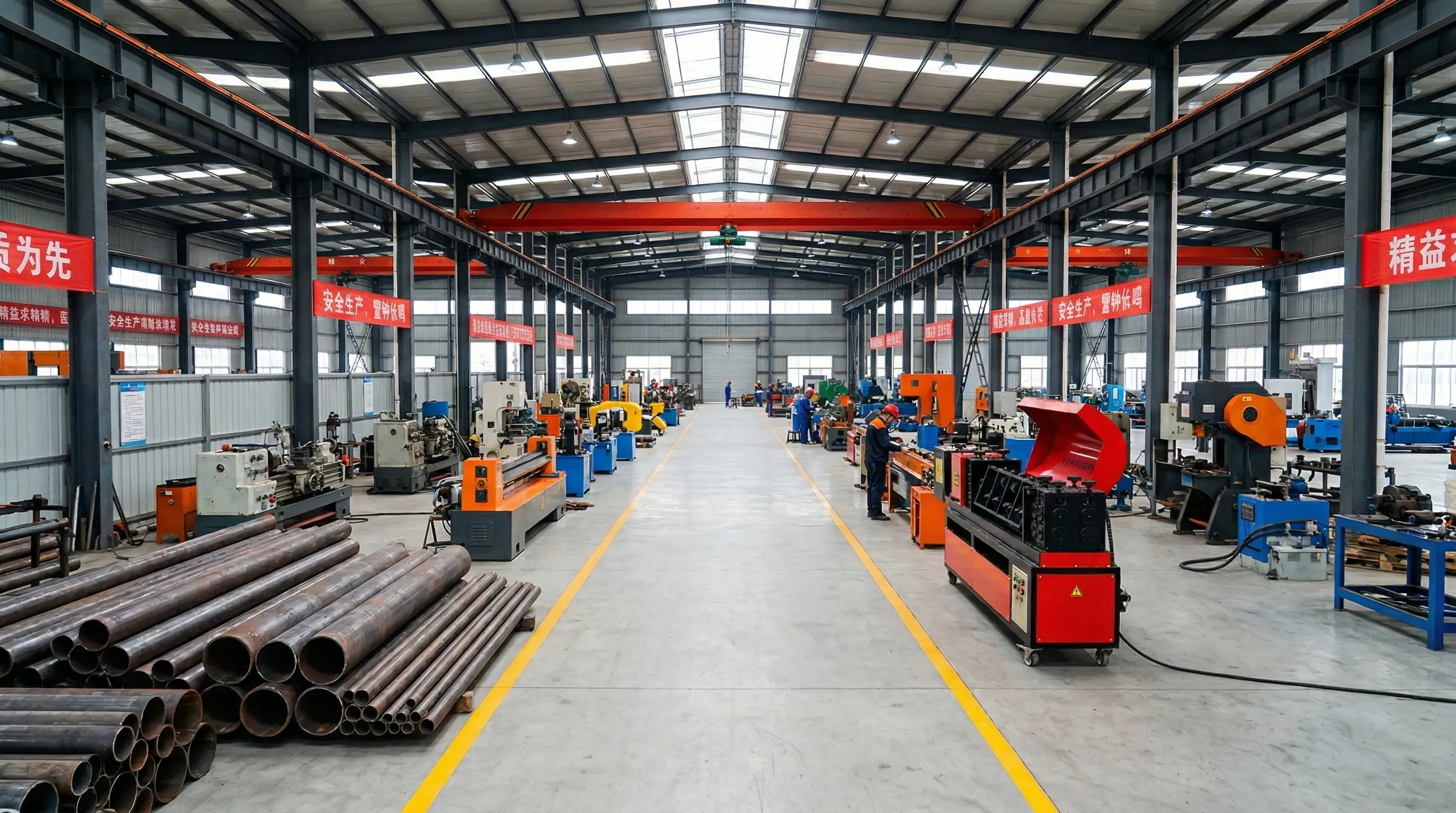
After arrival, the customer can follow the operating information for positioning, wiring, hydraulic inspection and no-load operation. Before batch production, die fasteners, guides, oil level and safety devices should be checked again. Abnormal noise, heat, leakage or dimensional drift should be recorded with alarms, workpiece details and operating video for remote review during working hours.