Professional machinery manufacturer, trusted partner
About Us
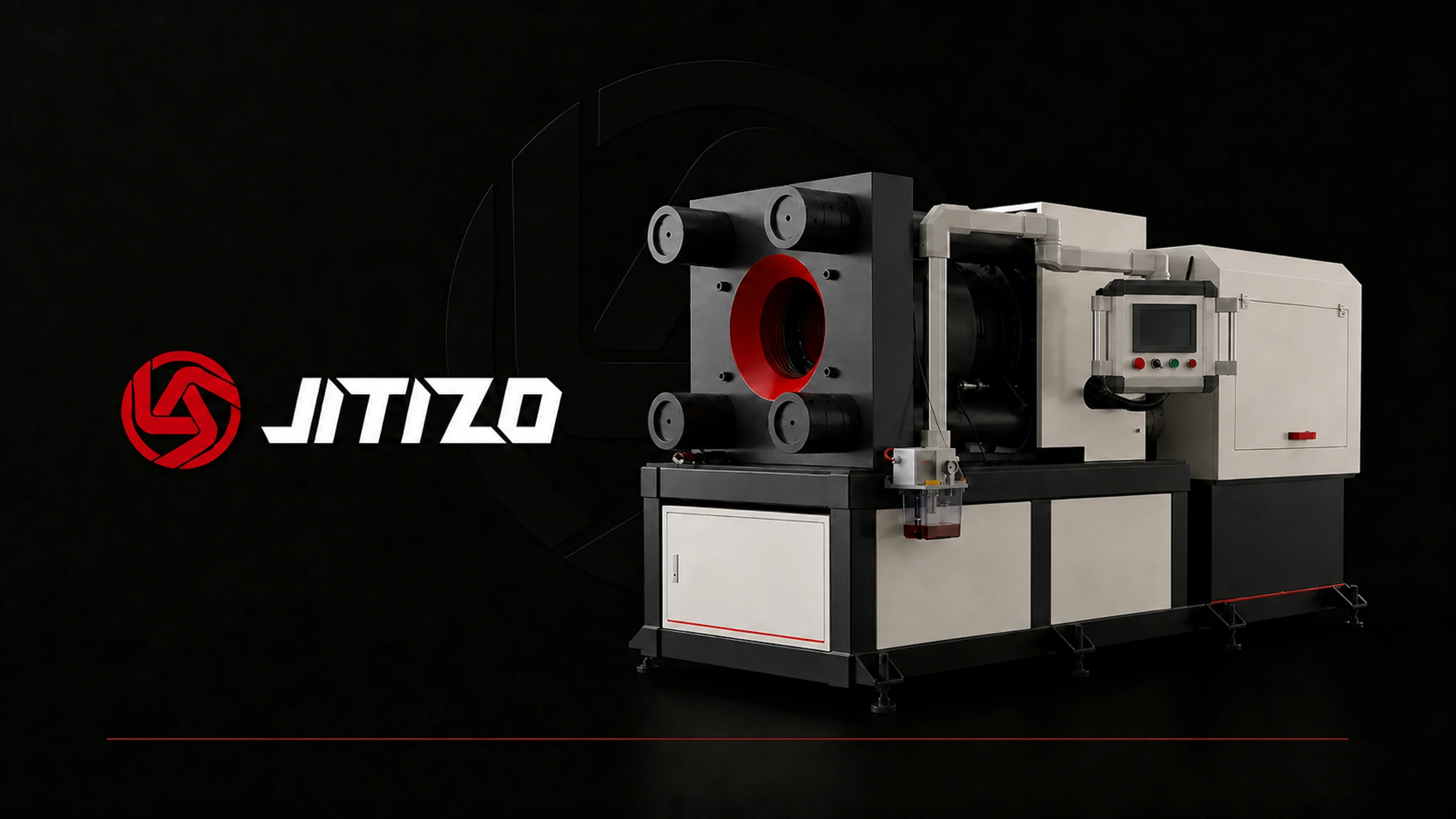
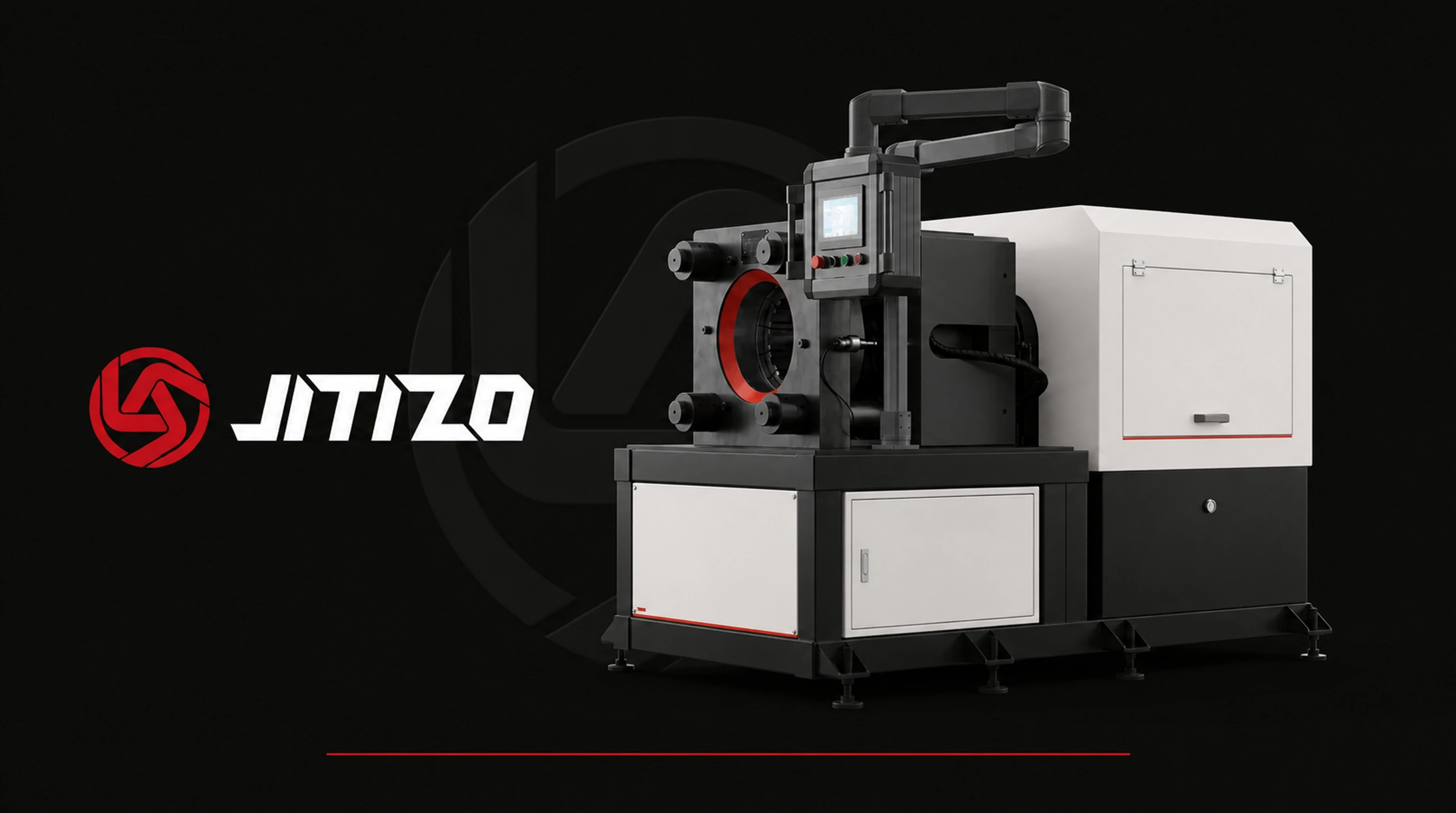
JITIZO is a professional enterprise engaged in the R&D, production, and sales of pipe processing equipment. Since its establishment, the company has been focusing on the development and innovation of pipe swaging machines, casing pipe swagers, and other tube end forming equipment, committed to providing customers with high-quality and high-efficiency pipe processing solutions.
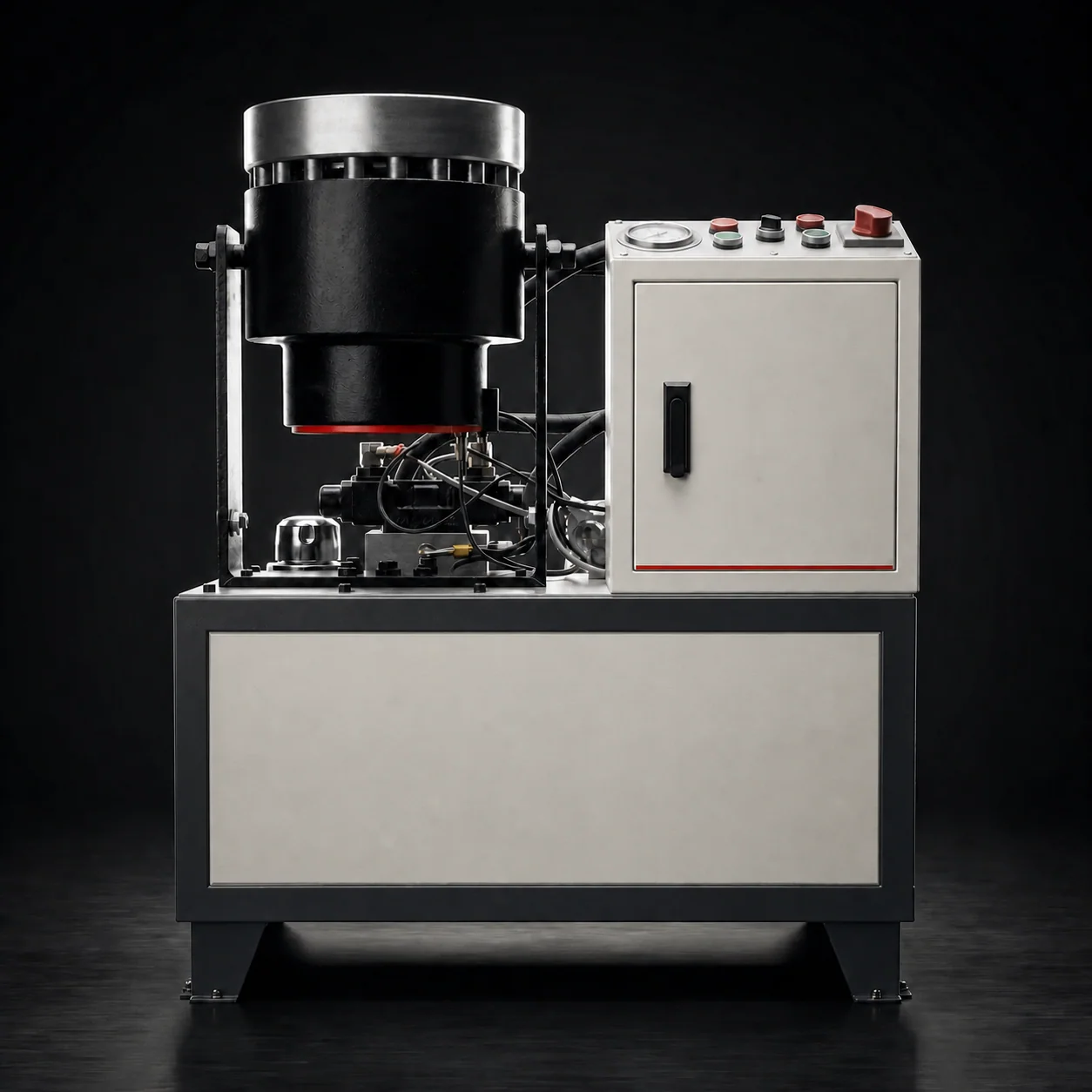
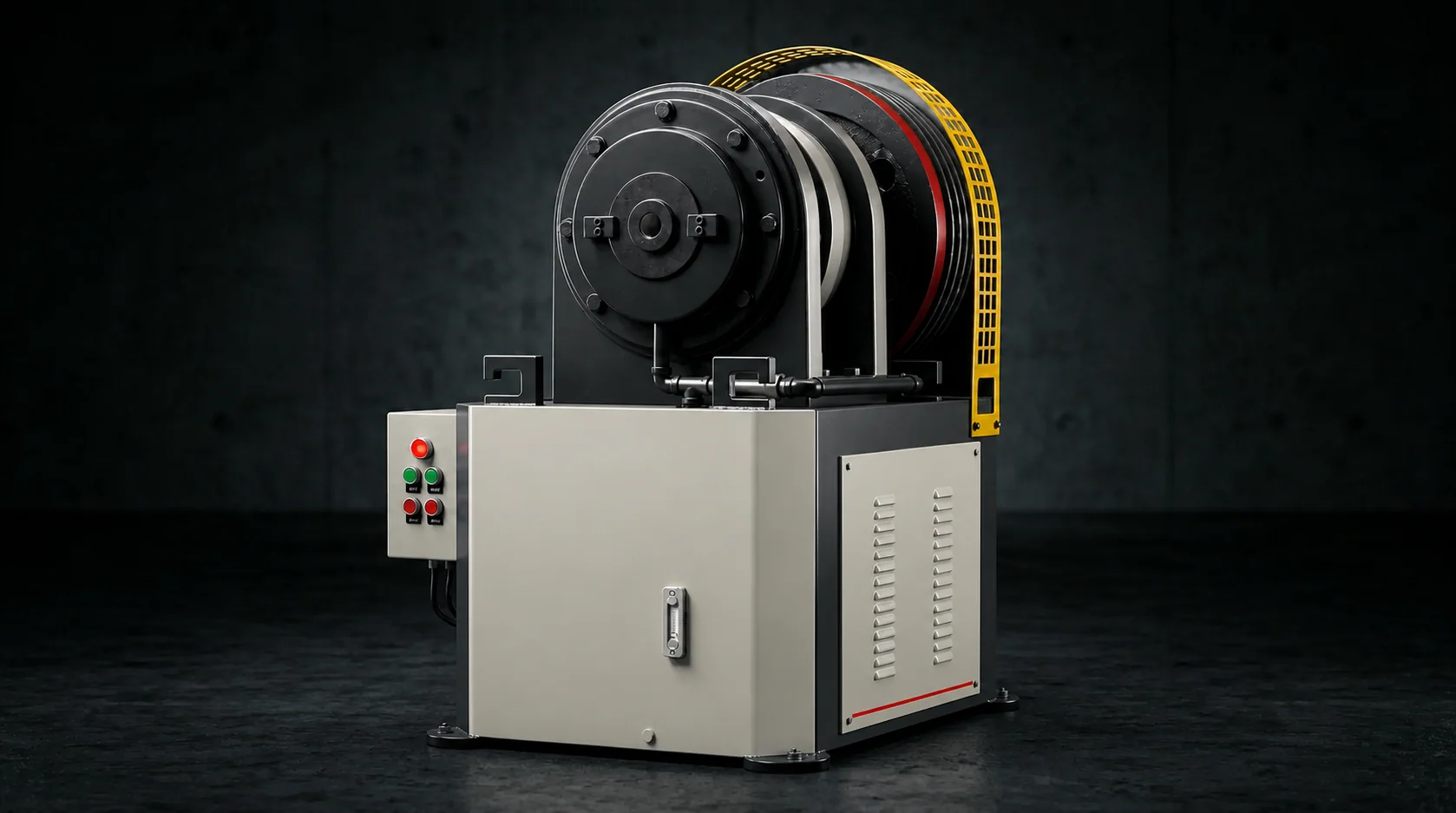
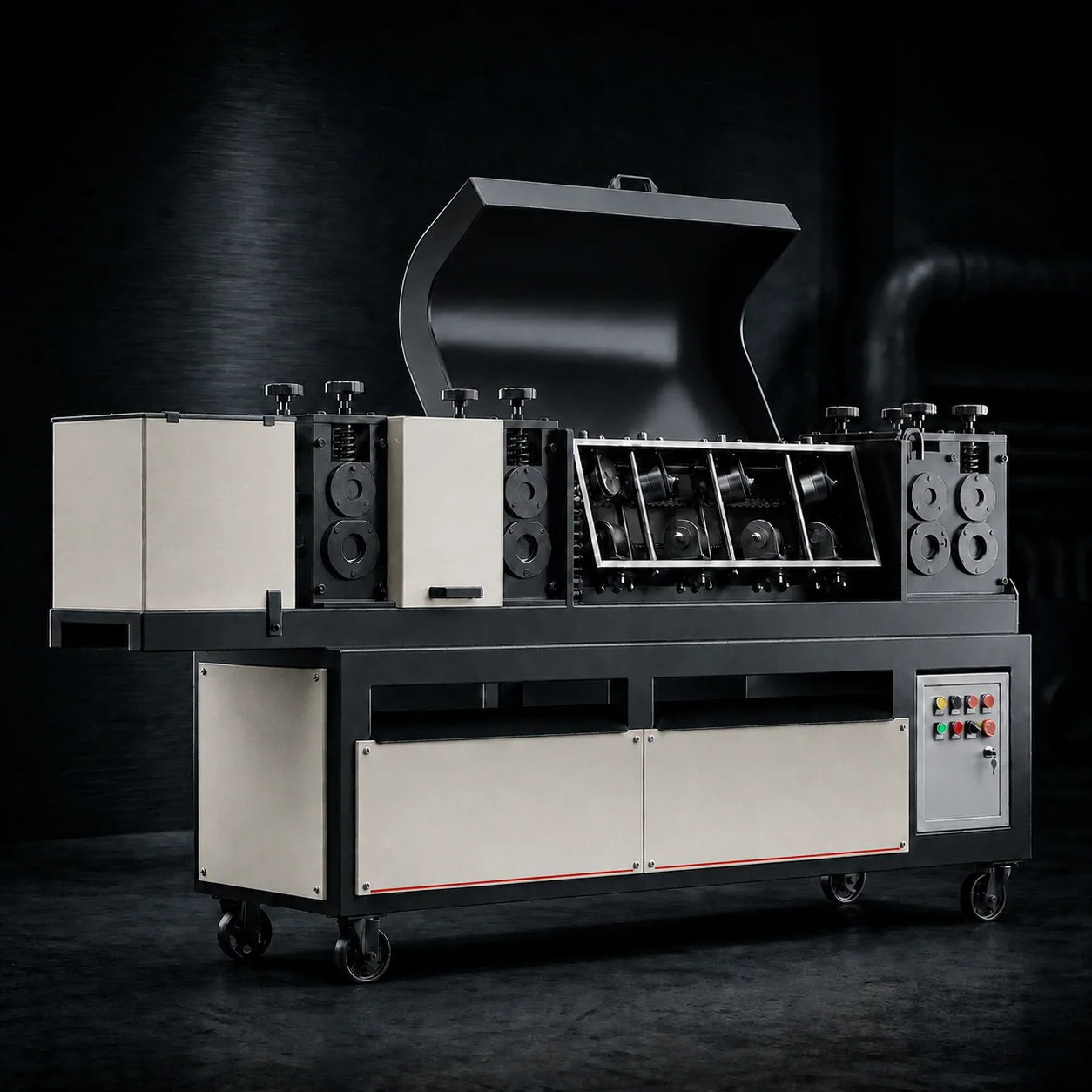
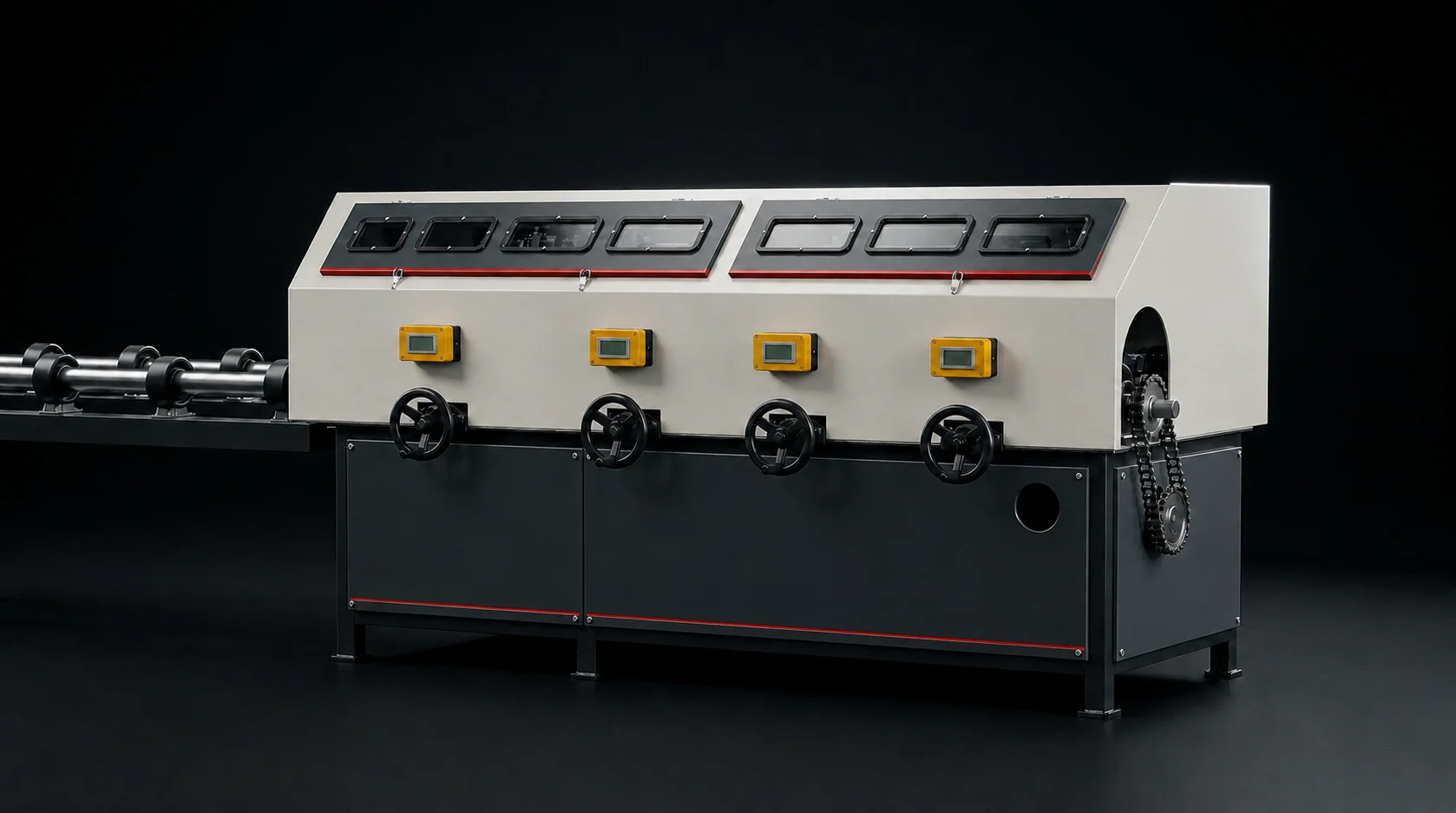
The company specializes in pipe swaging machines, casing pipe swagers, thick-wall pipe swagers, square tube swagers, taper tube swagers, pipe straighteners, and pipe polishing machines. Custom design available per drawings and samples. Widely used in oil tubing, copper processing, construction hardware, automotive parts, furniture, and other industries.
Learn MoreLearn about JITIZO
Core values & vision
Advanced manufacturing
Increase Your
Business Growth
to the Next Level
Starting with the tube and target geometry, each step aligns the process, tooling, machine configuration and acceptance method before production begins.
Provide diameter, wall thickness, material, incoming part, target geometry, tolerance and output.
Review forming resistance, machine structure, feeding, die strategy and automation requirements.
Use drawings, sample tubes or mating parts to align dimensions, finish and acceptance criteria.
Define machine, dies, controls, supports, guarding and the required configuration options.
Complete assembly, no-load checks and material trials, then record the agreed inspection results.
Coordinate packing, installation guidance, operator training, maintenance information and parts support.
Remote technical support is available during working hours, and machines include a one-year warranty. On-site service and the detailed scope follow the agreed project documents.
Check machine positioning, electrical connections, hydraulics, no-load operation and the first material trial.
Cover controls, parameter setting, die changes, safe operation, routine checks and basic troubleshooting.
Organize trial records, operating and maintenance information, packing lists and agreed inspection items.
Use alarms, control-screen photos, running video and fault symptoms to review mechanical, electrical, hydraulic or tooling issues.
Match dies, seals, bearings, abrasives or rolls to the actual machine configuration before replacement.
Review wear-part replacement, control adjustments and possible modifications for a new workpiece specification.
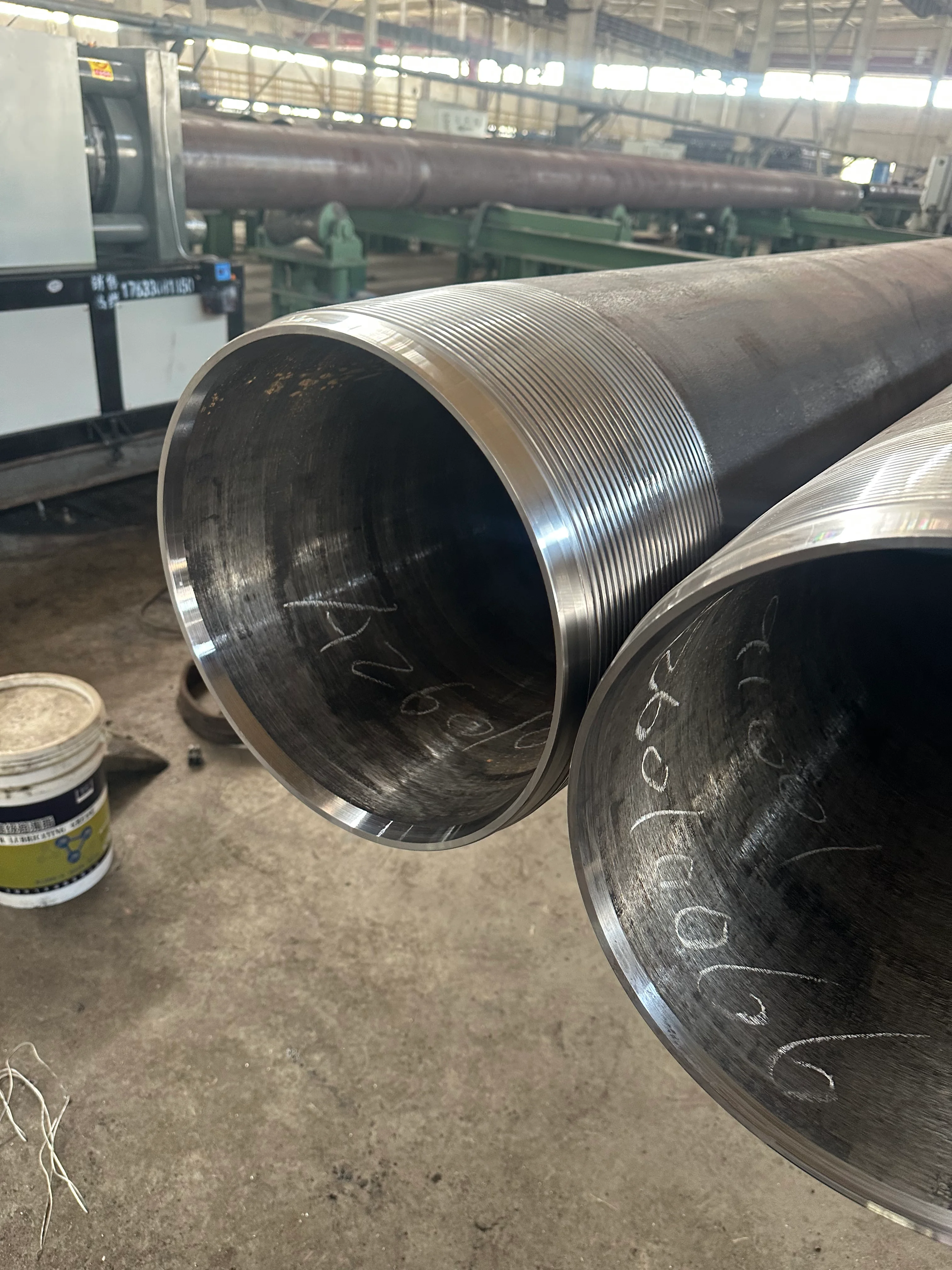
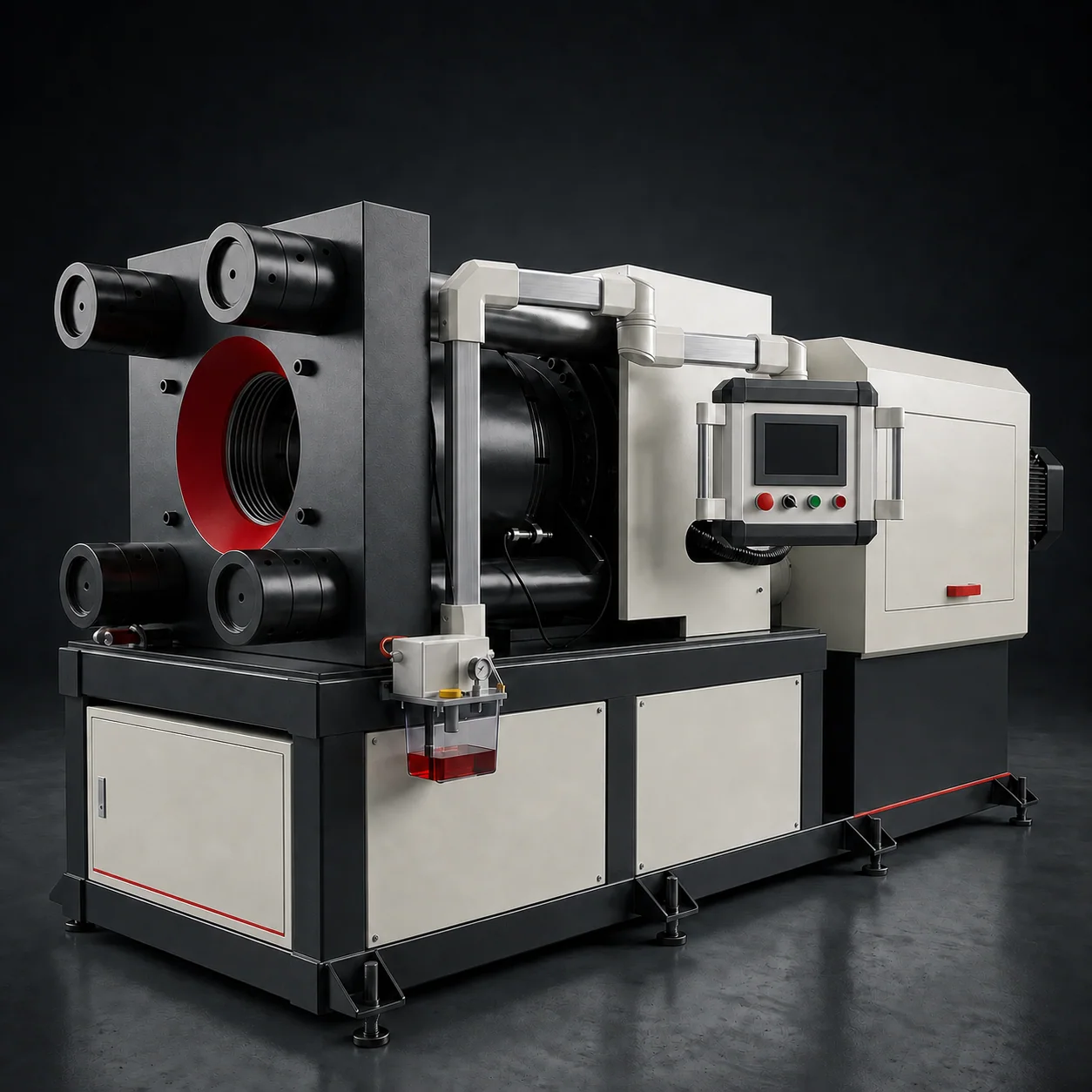
For large, thick and high-strength pipe, steel grade, wall thickness, target end diameter, formed length and die stages must be reviewed together.
Recommended: casing and thick-wall pipe swagers
VIEW EQUIPMENTDiameter, material strength, clamping and repeat forming requirements guide frame rigidity, hydraulic capacity and material support.
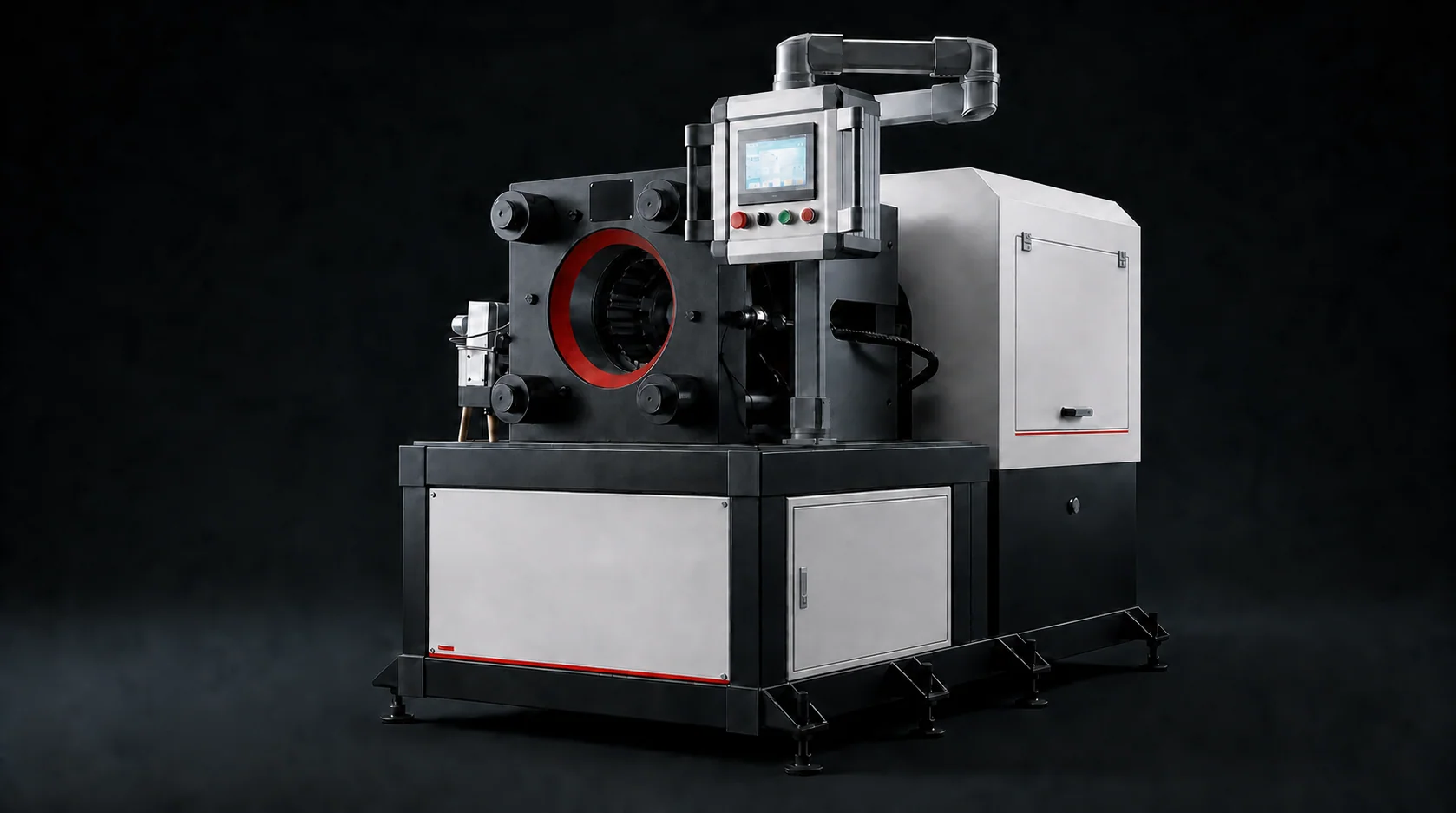
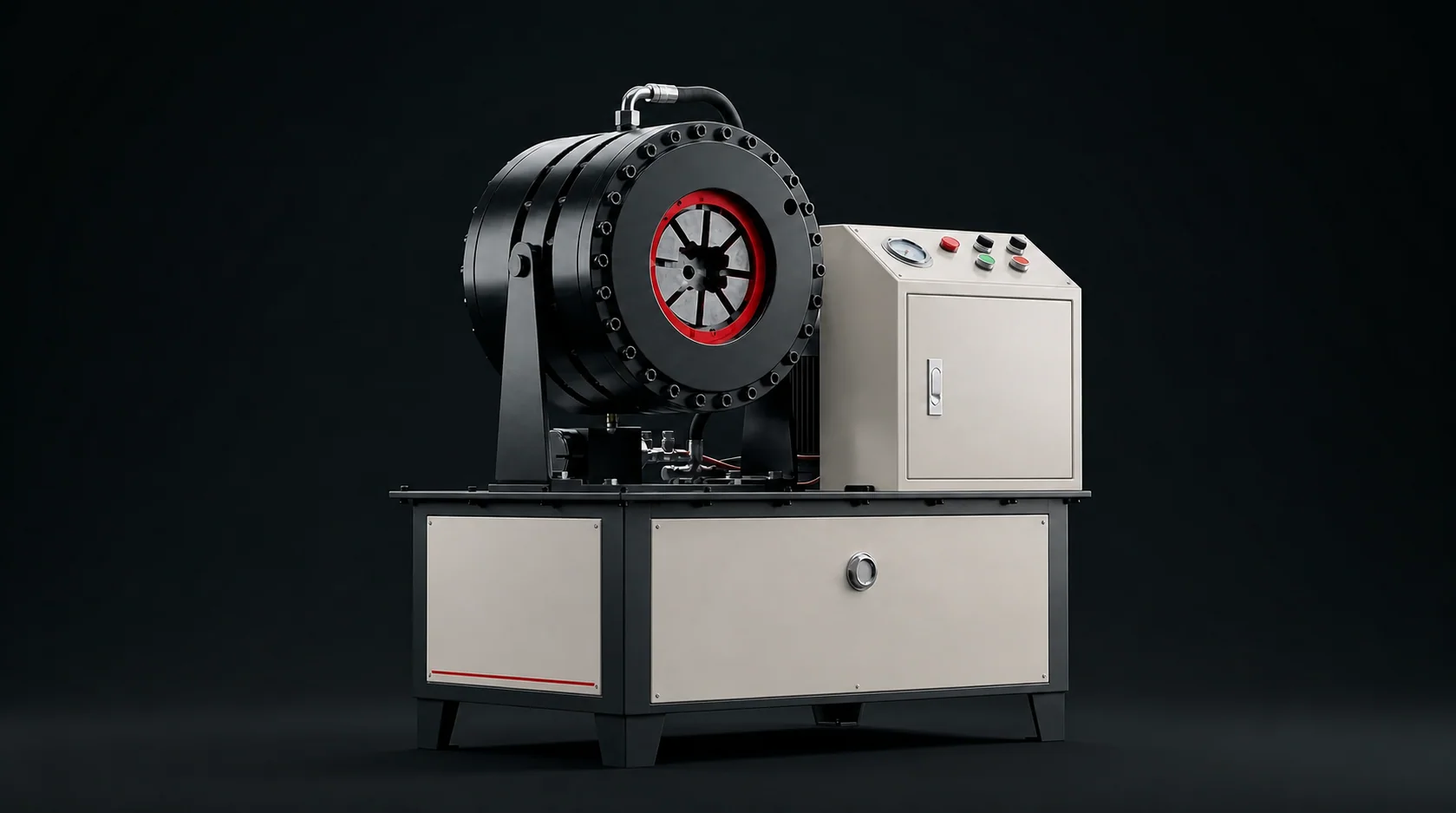
Recommended: heavy-duty and general pipe swagers
VIEW EQUIPMENTRound, square and rectangular tube ends require control of section symmetry, appearance, positioning and production rhythm.
Recommended: square-tube and taper-tube swagers
VIEW EQUIPMENTIncoming surface, target grain, diameter, abrasive and feed speed determine the station layout for a consistent continuous finish.
Recommended: pipe and large-pipe polishers
VIEW EQUIPMENTBend, diameter, wall thickness, length and surface condition determine roll adjustment, feeding and downstream treatment.
Recommended: steel pipe straightener
VIEW EQUIPMENTMaterial, section, connection method and output determine whether round, square or tapered end forming is appropriate.
Recommended: round, square and taper-tube swagers
VIEW EQUIPMENT